Screenshot of NHBR article featured.

Article on New Hampshire’s “quiet” innovation highlights NERCRD research

In this opinion piece written for the New Hampshire Business Review, Dr. Charlie French (University of New Hampshire Extension) cites NERCRD research on “latent” or hidden innovation, and provides several examples of “quiet innovation” from rural New Hampshire communities that are leading to gains in employment, income, and quality of life. Dr. French leads UNH Extension’s Community and Economic Development team.


Promoting economic resilience in Appalachia: Lessons from successful communities

The Appalachian communities that enjoyed persistent economic growth following the 2008 Great Recession have a number of factors in common, according to researchers who analyzed all 420 counties in the Appalachian region. Their findings will help guide future economic development strategies across Appalachia.

NERCRD research cited in the 2019 Economic Report of the President

NERCRD research is being used in the highest level of Federal Government. The 2019 Economic Report of the President cited three scientific papers written by NERCRD and collaborating researchers.

Tools for productive community meetings: Rising above the challenges

A team of Penn State Extension educators has developed a free video series that offers practical strategies to facilitate and build trust in the community. Titled “Community Conflict: Finding Middle Ground,” the series is designed to help community leaders, municipal officials and others who work in the public and nonprofit sector learn how to guide meetings toward a more productive and positive outcome for all. Each short video focuses on individual topics important to productive community conversations.

New research documents economic resilience across Appalachia

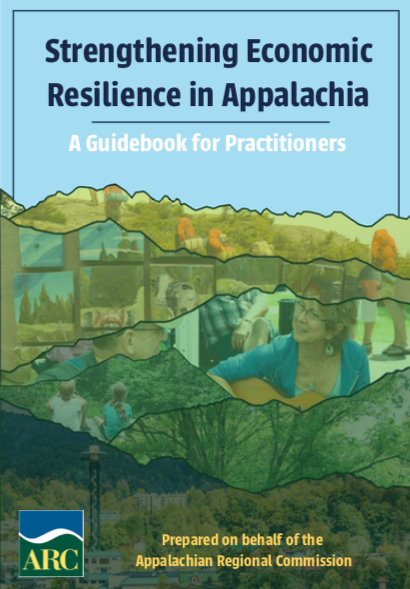
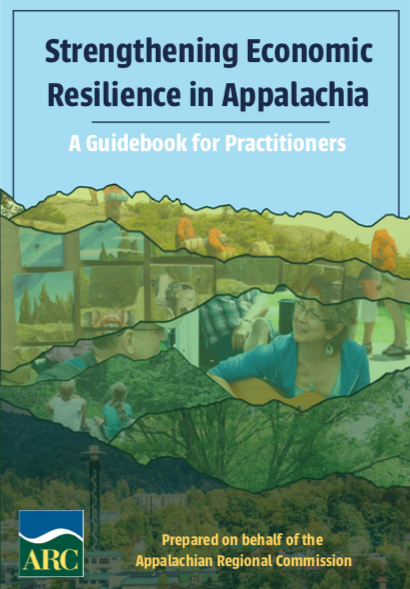
The Appalachian Regional Commission (ARC) recently released “Strengthening Economic Resilience in Appalachia,” a new study identifying factors common across communities experiencing persistent economic growth in the aftermath of the 2008 Recession and other economic disruptions. Together with West Virginia University, the NERCRD played an instrumental role in developing this report. The research includes a statistical analysis of key factors common to economic resilience. A companion Guidebook for Practitioners offers additional insight that can inform economic development strategies across Appalachia.

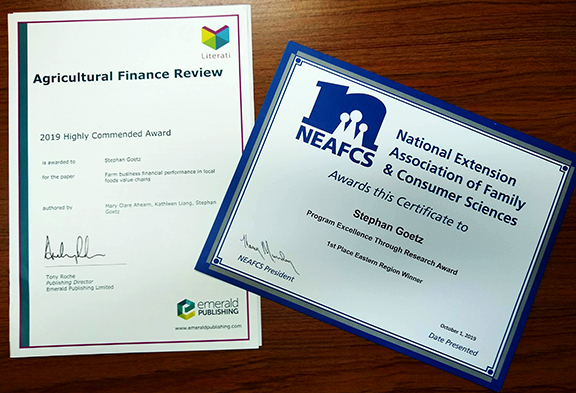
Stephan Goetz

Goetz named president-elect of North American Regional Science Council

Stephan Goetz, professor of agricultural and regional economics in Penn State’s College of Agricultural Sciences and director of the Northeast Regional Center for Rural Development, was appointed president-elect of the North American Regional Science Council (NARSC) last month.

Yicheol Han at his desk in 2023

Farewell to longtime NERCRD research associate Yicheol Han

Congratulations to longtime NERCRD research associate, Yicheol Han, who has accepted a position as a research fellow at the Korea Rural Economic Institute in Nasu-si, South Korea. Han (known by many as “Char”) will be leaving the Center at the end of the month, after more than seven years of very productive service.

Group portrait of EFSNE team on outdoor patio

Study of Northeast food system advances understanding of regional potential

After seven years of analyzing a number of consumption, distribution, production, and other aspects of the Northeast U.S. food system, researchers from Penn State and 10 other universities and organizations have made significant gains in understanding the extent to which the region can increase production of certain foods, and potentially better meet the food needs of low-income populations in the locations they studied. Findings and outputs from the project, which concluded earlier this year, will be useful to food system planners, policy makers, researchers and advocates interested in advancing regional food systems.

R&D-heavy firms thrive in diverse economies

Companies that invest heavily in research and development are more likely to benefit from locating near dissimilar businesses, while companies that invest less in technology are better off near businesses in their own industry, according to new research by a team of economists. The findings can help business owners and policy makers design better business strategies and economic policies.

Rural and urban communities need different policies to boost economic mobility

The farther away from a city a person is raised, the more likely they are to climb the economic ladder, according to economists, who also found that community characteristics associated with upward mobility actually have different effects in rural and urban locations.

Poor mental health days may cost the economy billions of dollars

Poor mental health ranks as one of the costliest forms of sickness for U.S. workers and may sap billions of dollars from the country’s income growth, according to a team of researchers including Northeast Regional Center for Rural Development staff.